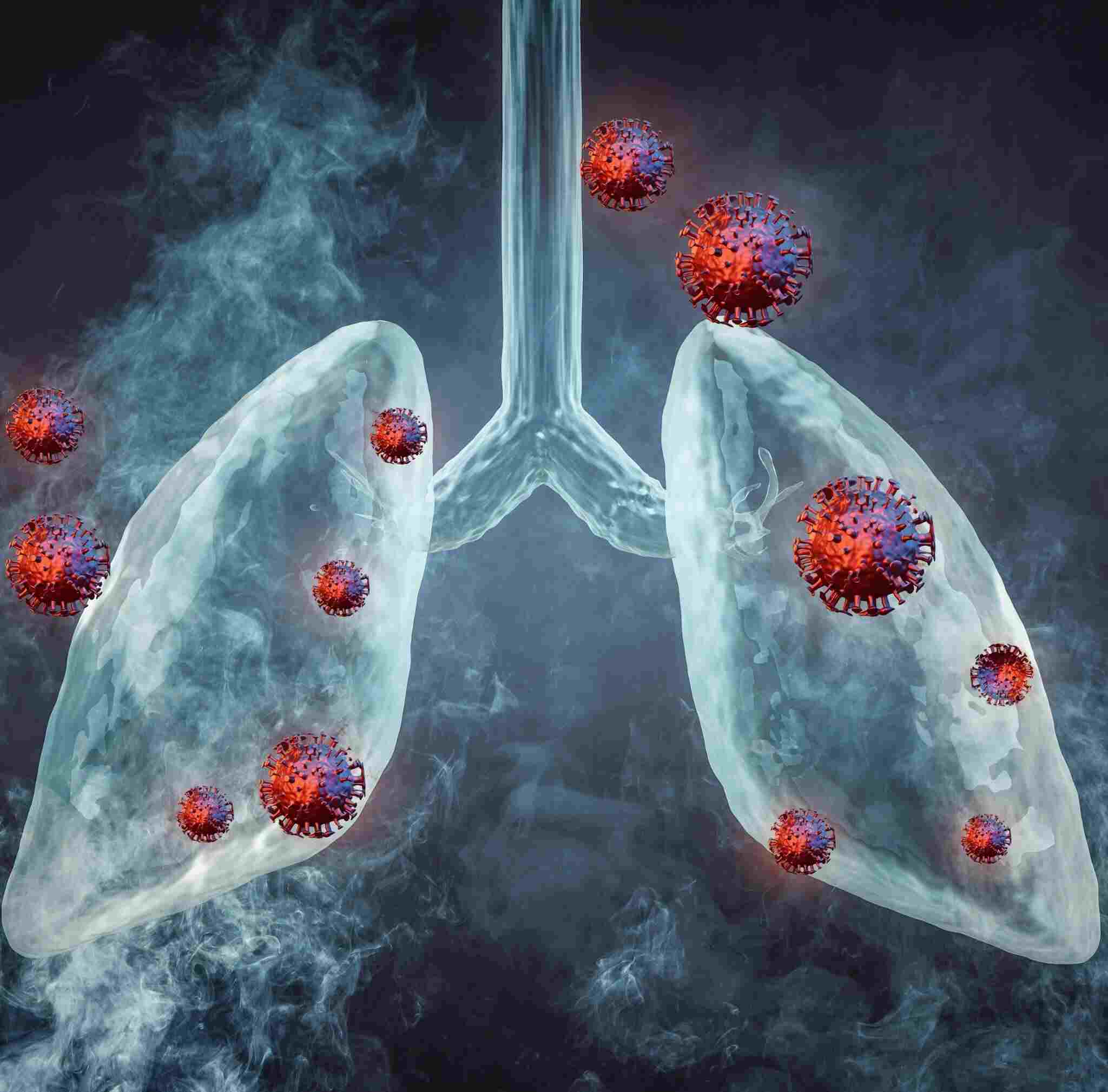
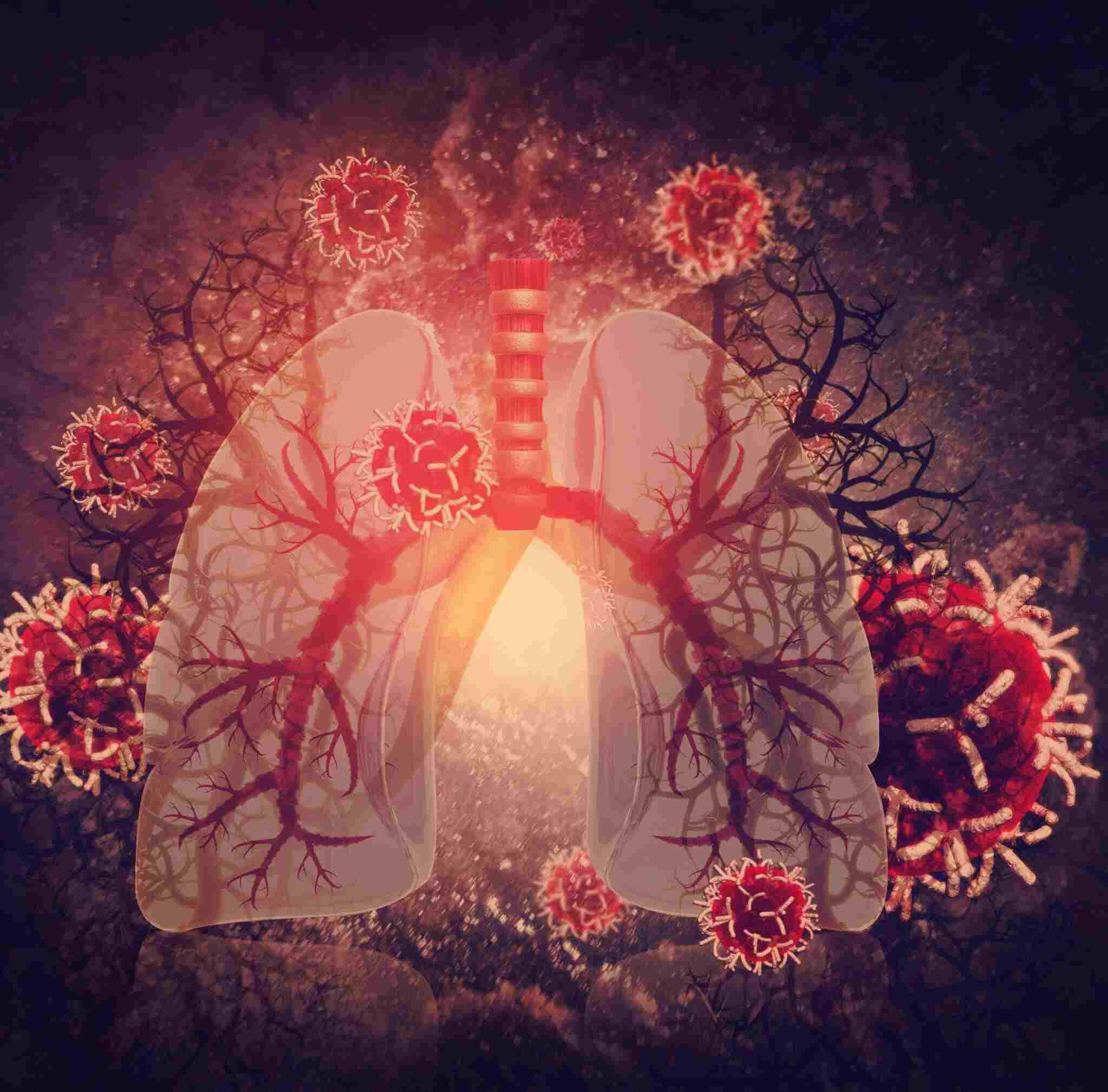
A tumour is a general medical term for an abnormal mass of tissue that forms when cells grow and divide excessively, rather than dying off as they should. These growths can occur in any part of the body and vary widely in their characteristics, from benign (non-cancerous) and relatively harmless to malignant (cancerous) and potentially life-threatening. Understanding the nature of tumours, their classification, and how they are investigated and managed is fundamental to effective healthcare.
1. Defining a Tumour: Cellular Aberration
At its core, a tumour arises from uncontrolled cell proliferation. Normally, cells in the body grow, divide, and die in a regulated manner. However, if this process is disrupted, either due to genetic mutations, environmental factors, or other influences, cells may begin to multiply without restraint, forming a lump or mass. It’s crucial to distinguish between a tumour, which is a physical mass, and cancer, which specifically refers to malignant tumours with the ability to invade other tissues.
2. Benign vs. Malignant Tumours: Key Distinctions
Tumours are primarily categorized into two main types based on their behavior:
- Benign Tumours: These are non-cancerous growths. They typically grow slowly, do not spread to other parts of the body (do not metastasize), and often have clear boundaries. While benign tumours are not life-threatening in themselves, they can still cause problems if they grow large enough to press on organs or nerves, or if they produce hormones (as in some endocrine tumours). Examples include lipomas (fatty tumours) and fibroids.
- Malignant Tumours (Cancer): These are cancerous growths that have the potential to invade nearby tissues and spread to distant parts of the body through the bloodstream or lymphatic system (metastasis). Malignant tumours are characterized by rapid, uncontrolled growth and the ability to cause significant damage to the body. They are generally more aggressive and require prompt treatment.
3. Causes and Risk Factors for Tumour Development
The exact causes of tumour formation are complex and often multifactorial. They can include:
- Genetic Mutations: Changes in DNA that control cell growth and division are fundamental to tumour development. These mutations can be inherited or acquired during a person’s lifetime.
- Environmental Factors: Exposure to carcinogens (cancer-causing substances) such as tobacco smoke, excessive UV radiation, asbestos, and certain chemicals can increase the risk.
- Lifestyle Factors: Diet, obesity, alcohol consumption, and lack of physical activity are recognized risk factors for certain types of tumours.
- Infections: Some viruses (e.g., HPV, hepatitis B and C) and bacteria can contribute to tumour development.
- Chronic Inflammation: Long-term inflammation in the body can create an environment conducive to cell changes.
4. Symptoms and Clinical Presentation
The symptoms of a tumour depend heavily on its location, size, and whether it is benign or malignant. Common signs and symptoms can include:
- A palpable lump or mass: Especially on or under the skin.
- Pain: If the tumour presses on nerves or surrounding tissues.
- Unexplained weight loss: A common symptom of many cancers.
- Fatigue: Persistent tiredness.
- Fever: Often associated with the body’s response to a growing tumour.
- Changes in bowel or bladder habits: If the tumour affects organs in the digestive or urinary system.
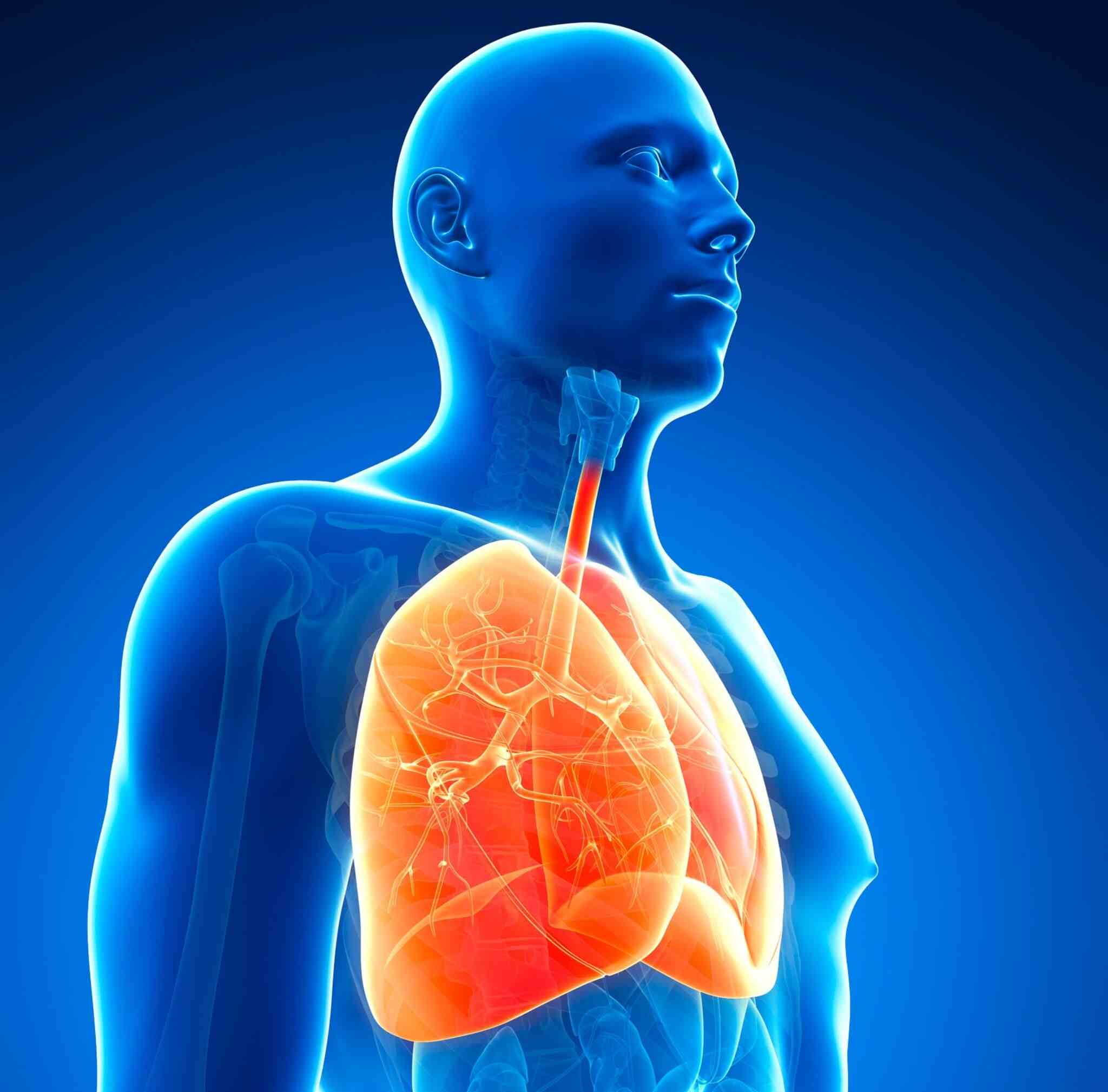
- Persistent cough or hoarseness: For tumours in the respiratory system or throat.
- Unusual bleeding or discharge: From any body orifice.
- Neurological changes: If the tumour affects the brain or spinal cord, leading to headaches, seizures, or weakness.
5. Diagnosis and Evaluation
Diagnosing a tumour involves a comprehensive approach to determine its nature and extent. Key diagnostic methods include:
- Physical Examination: A doctor’s assessment for palpable lumps or other signs.
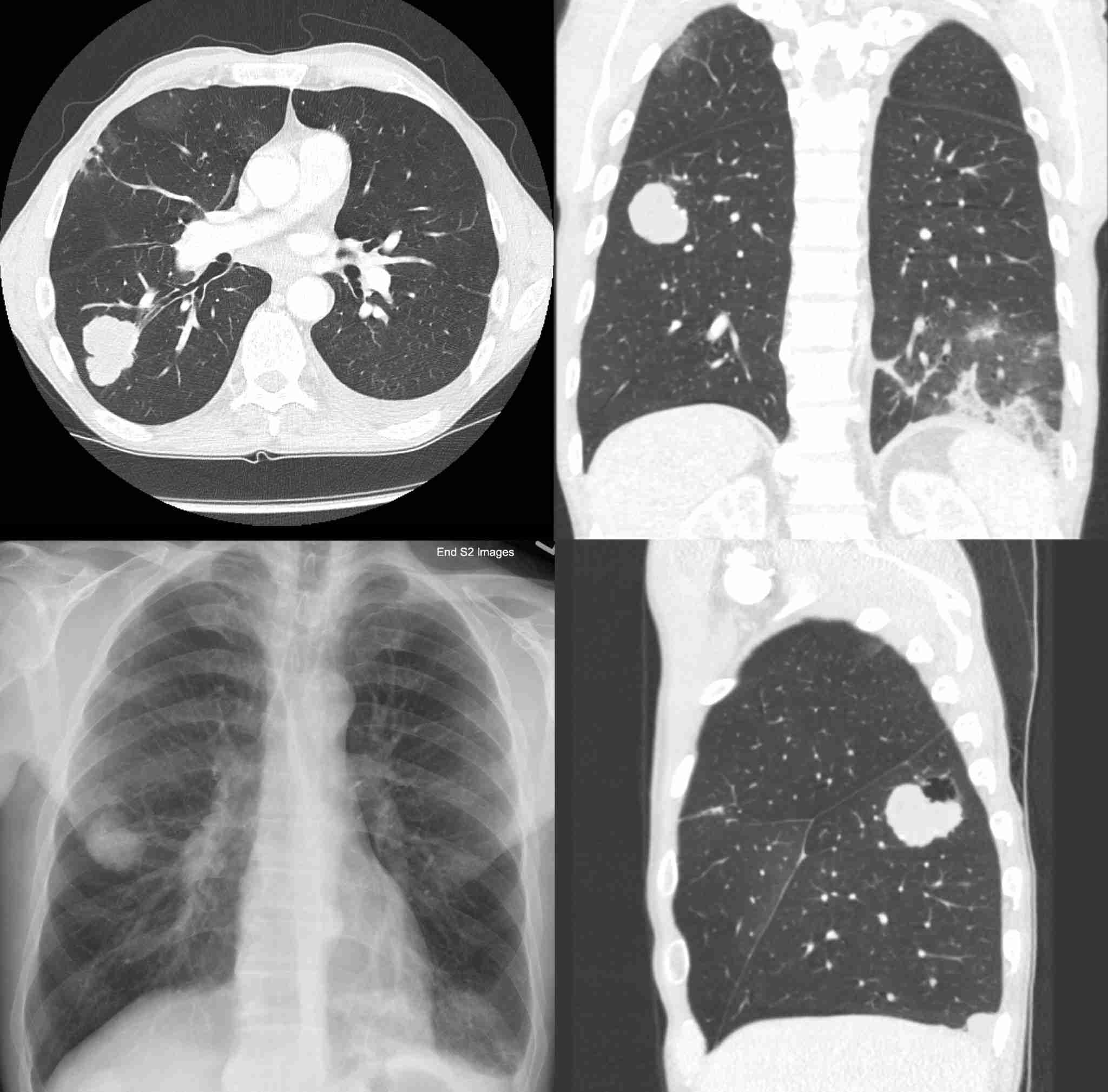
- Imaging Studies: Such as X-rays, Computed Tomography (CT) scans, Magnetic Resonance Imaging (MRI), Positron Emission Tomography (PET) scans, and ultrasound to visualize the tumour’s size, location, and characteristics.
- Biopsy: This is often the definitive diagnostic test, involving the removal of a tissue sample from the tumour for microscopic examination by a pathologist to determine if cells are benign or malignant.
- Blood Tests: Certain blood markers (tumour markers) may be elevated in the presence of specific tumours, though these are not definitive for diagnosis.
- Endoscopy/Colonoscopy: For internal tumours, these procedures allow direct visualization and biopsy.
6. Treatment Approaches for Tumours
Treatment strategies for tumours are highly individualized, depending on whether the tumour is benign or malignant, its type, size, location, stage (for malignant tumours), and the patient’s overall health.
- For Benign Tumours: Often, no treatment is needed beyond monitoring. If they cause symptoms or pose a risk, surgical removal is common.
- For Malignant Tumours (Cancer): Treatment aims to remove or destroy cancer cells and prevent their spread. Common options include:
- Surgery: To physically remove the tumour and surrounding affected tissue.
- Chemotherapy: Using drugs to kill cancer cells throughout the body.
- Radiation Therapy: Using high-energy rays to destroy cancer cells in a targeted area.
- Targeted Therapy: Drugs designed to target specific weaknesses in cancer cells.
- Immunotherapy: Boosting the body’s own immune system to fight cancer.
- Hormone Therapy: For hormone-sensitive cancers.
- Watchful Waiting/Active Surveillance: In some low-risk cancers, careful monitoring may be preferred over immediate intervention.
7. Prognosis and Follow-up
The prognosis for individuals with tumours varies widely based on the tumour type, stage, and response to treatment. Benign tumours generally have an excellent prognosis once removed or managed. For malignant tumours, early detection and appropriate treatment significantly improve outcomes. Regular follow-up appointments and imaging are crucial for monitoring recurrence and managing any long-term effects of treatment.