
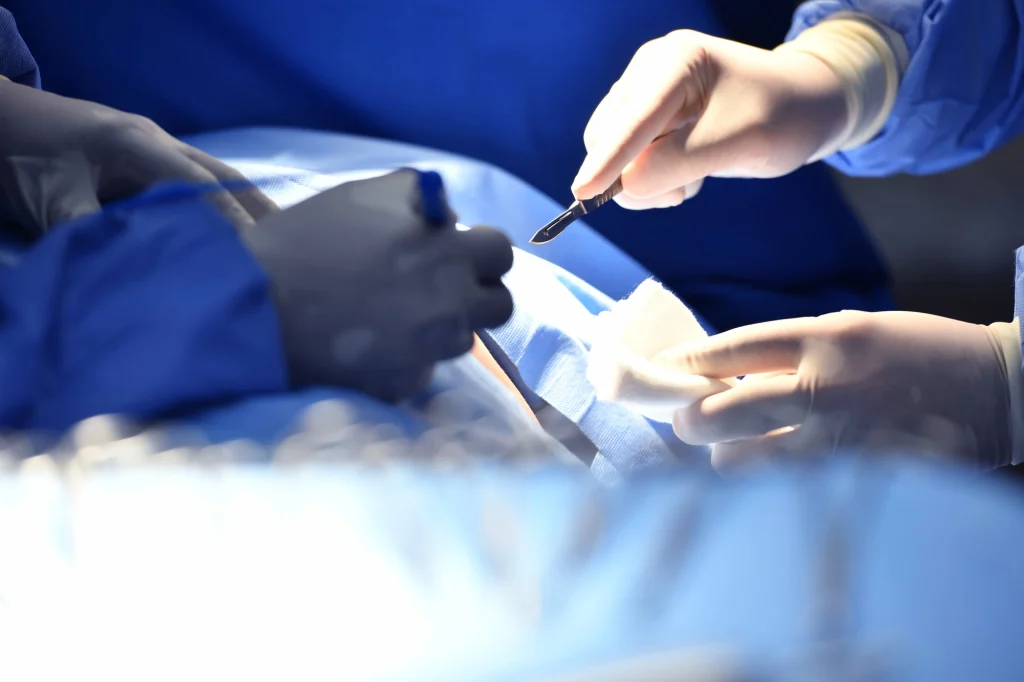
A tracheoesophageal fistula (TEF) is a medical condition characterized by an abnormal connection or passageway between the trachea (windpipe) and the esophagus (food pipe). This congenital condition occurs during fetal development when the tissues that separate the trachea and esophagus fail to form correctly. TEF can lead to significant respiratory and feeding difficulties, and it requires prompt diagnosis and treatment to ensure the best possible outcome for affected infants.
Frequently asked questions
Doctor, please explain what is Tracheoesophageal Fistula in simple terms?
See, TEF is basically an abnormal connection between food pipe (esophagus) and wind pipe (trachea). Think of it like having small hole between these two pipes, which can cause problems with eating and breathing.
How dangerous is this condition?
It’s quite serious condition that needs proper attention. Food and saliva can enter breathing pipe, causing chest infections. But don’t worry too much – with modern surgical techniques, we can fix this problem very effectively.
What causes this condition?
Yes, there are several types, including Spontaneous (both primary and secondary), Traumatic, Tension, and Iatrogenic. Each type has distinct causes and characteristics.
What are treatment options available?
The treatment depends on the cause. In cancer related fistula, surgery is not the option. Endoscopic stenting of the wind pipe and/or foodpipe is the only option. However, in benign (Non cancerous) fistula – surgery is the mainstay of treatment.
What will you do in surgery?
In surgery, we identify the area of communication (fistula), separate the whole structures, repair the holes and put a tissue in between the structures to prevent the re-development of fistula in future. The approach varies according to the location of the fistula. Many of such fistula can be repaired by neck, however in few cases that repair can also be performed from the chest.
How long will surgery take?
Usually takes 3-4 hours. We’ll repair fistula and make sure everything is properly sealed. We use advanced techniques to ensure best results.
What about recovery period?
You’ll need to stay in hospital for 7-10 days. First few days, feeding will be through tube to allow proper healing. Complete recovery takes about 6-8 weeks.
When can I start eating normally?
First week after surgery, only liquid diet through feeding tube. Then we’ll gradually start oral fluids, soft diet, and finally normal food. Process takes about 2-3 weeks.
Will this problem come back?
Recurrence is uncommon with modern surgical techniques. But regular follow-up is important to catch any problems early. We’ll monitor you closely.
What precautions needed after surgery?
Follow dietary instructions strictly, take medicines regularly, do breathing exercises we teach you. No smoking absolutely. Keep head end elevated while sleeping initially.
When can I return to work?
Usually can return to desk job in 4-6 weeks. Physical work might need 8-10 weeks. We’ll assess your recovery and guide accordingly.
What about exercise after recovery?
Start with gentle walking after 2-3 weeks. No heavy exercise for 2-3 months. We’ll give proper exercise plan based on your recovery.
Any long-term diet restrictions?
Initially yes, but gradually you can return to normal diet. Better to avoid very hot or cold foods first few months. Eat slowly, take small bites, stay well hydrated.
Will my voice be affected?
Might have temporary voice changes, but usually returns to normal in few weeks. If needed, we’ll arrange speech therapy sessions.