
Aspergilloma, also known as a “fungal ball or fungus ball”, is a condition arising from the growth of Aspergillus fungus within a lung cavity. It commonly afflicts individuals with pre-existing lung diseases, such as tuberculosis or chronic obstructive pulmonary disease (COPD). The most prevalent symptom of aspergilloma is hemoptysis, or coughing up blood, which can range from mild to severe, causing significant concern and necessitating medical evaluation. Diagnosis typically involves imaging studies like chest X-rays or CT scans, accompanied by laboratory tests to identify the presence of fungal elements in sputum or tissue.
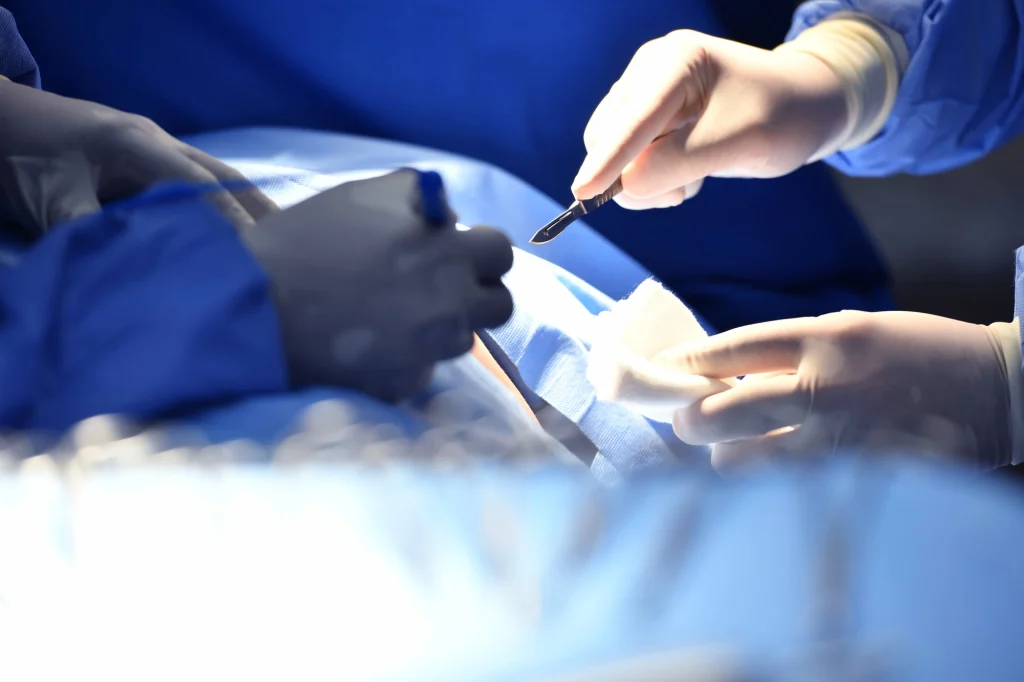
Surgical intervention may be considered for patients with symptomatic aspergilloma, particularly those who experience recurrent hemoptysis that is not manageable with conservative treatments. The options for surgery include resection of the affected lung area or, in advanced cases, a lobectomy. Video-Assisted Thoracoscopic Surgery (VATS) has emerged as a preferred technique due to its minimally invasive nature, offering a quicker recovery and fewer complications than traditional open surgery. Overall, the treatment for aspergilloma must be individualized, weighing the potential benefits of surgery against the patient’s overall health status and surgical risk. Effective management of aspergilloma is crucial for improving the quality of life and outcomes for patients suffering from this complex condition.
For informed guidance on aspergilloma, consult the expertise of Dr. Mohan Venkatesh Pulle, a distinguished thoracic surgeon.
Aspergilloma: Understanding Fungal Ball in the Lungs
An aspergilloma, also known as a mycetoma or fungal ball, is a unique and distinct form of pulmonary (lung) infection caused by the fungus Aspergillus. Unlike typical lung infections, an aspergilloma does not invade lung tissues but forms a ball-like structure within pre-existing lung cavities or damaged airspaces. This condition predominantly affects individuals with underlying lung diseases, such as tuberculosis or bronchiectasis, and understanding its pathogenesis, clinical presentation, diagnosis, and treatment is crucial for managing this challenging condition effectively.
The Aspergillus Fungus
Aspergillus is a common fungus found in the environment, including soil, decaying vegetation, and compost piles. It can also be present in indoor environments. While most people inhale Aspergillus spores without any health consequences, individuals with weakened immune systems or underlying lung diseases are at risk of developing Aspergillus-related conditions, including aspergilloma.
Pathogenesis of Aspergilloma
Aspergilloma usually occurs in individuals with pre-existing lung cavities or damaged lung tissues. Common underlying conditions associated with aspergilloma include:
- Pulmonary Tuberculosis: Individuals who have had tuberculosis in the past may develop lung cavities as a result of the disease. These cavities provide an ideal environment for Aspergillus spores to colonize and form fungal balls.
- Bronchiectasis: Bronchiectasis is a condition characterized by the permanent dilation of the bronchi (airways) due to chronic inflammation or infection. The damaged airways can trap Aspergillus spores and contribute to aspergilloma formation.
- Other Lung Diseases: Conditions such as chronic obstructive pulmonary disease (COPD), sarcoidosis, and lung abscesses can also create spaces or cavities in the lungs, facilitating the development of aspergilloma.
Formation of Aspergilloma
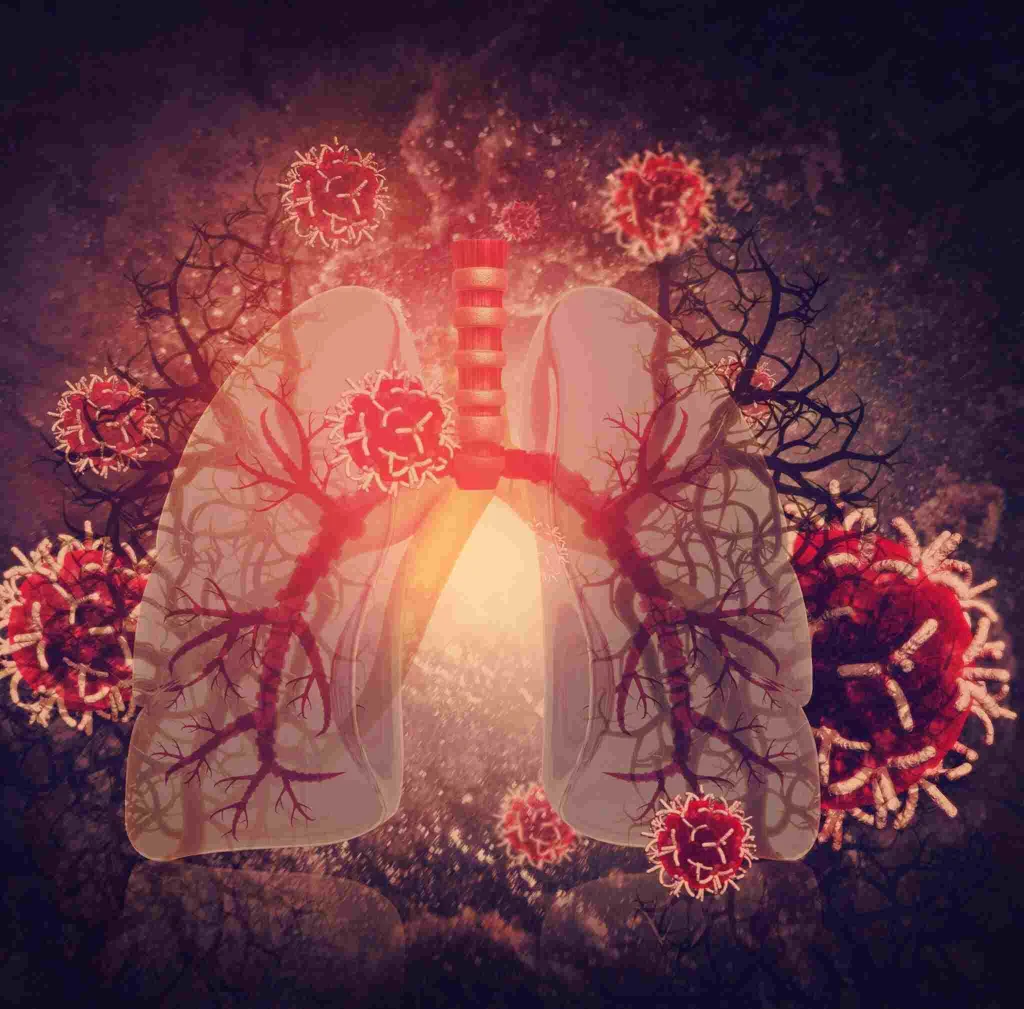
When individuals with lung cavities or damaged airspaces inhale Aspergillus spores, the fungus can colonize these spaces and grow as a mass of fungal hyphae (thread-like structures). Over time, this mass of hyphae becomes surrounded by a conglomeration of mucus, fibrin, and inflammatory cells, forming a ball-like structure known as the aspergilloma. This ball of fungus and debris is typically referred to as the “fungus ball.”
Clinical Presentation
Aspergilloma can remain asymptomatic in some cases and may be incidentally detected during chest imaging for other medical reasons. However, symptomatic individuals may present with the following:
- Hemoptysis: Coughing up blood is the most common and concerning symptom of aspergilloma. The fungus ball can erode the blood vessels within the lung cavity, leading to intermittent or persistent hemoptysis.
- Chronic Cough: A persistent cough may be present, accompanied by mucus production.
- Chest Pain: Some individuals may experience chest pain, which can result from inflammation or irritation of the surrounding lung tissues.
- Recurrent Respiratory Infections: Aspergilloma can make affected individuals more susceptible to respiratory infections, leading to recurrent pneumonia or exacerbations of underlying lung diseases.
Diagnosis
The diagnosis of aspergilloma involves a combination of clinical evaluation, chest imaging, and laboratory tests. Diagnostic steps include:
- Chest X-ray: Initial imaging may reveal a round or oval-shaped mass within a lung cavity.
- Computed Tomography (CT) Scan: CT scan is the most sensitive imaging modality for detecting aspergillomas. It can provide detailed images of the fungal ball and its relationship with surrounding lung tissues.
- Sputum Examination: Sputum samples may be examined for the presence of Aspergillus spores, but this test alone is not definitive for diagnosing aspergilloma.
- Bronchoscopy: Bronchoscopy may be performed to directly visualize the airways and confirm the presence of the aspergilloma. During bronchoscopy, a flexible tube with a camera is inserted into the airways, allowing the physician to view the fungal ball and collect samples for further testing.
Treatment Options
The management of aspergilloma depends on the severity of symptoms, the size and location of the fungal ball, and the overall health of the affected individual. Treatment options include:
- Observation: Asymptomatic individuals or those with mild symptoms may be managed with observation and regular monitoring.
- Antifungal Medications: Antifungal drugs, such as itraconazole or voriconazole, may be prescribed to control the growth of Aspergillus and prevent the progression of the aspergilloma. However, these medications do not eliminate the existing fungal ball.
- Bronchial Artery Embolization: For individuals with severe hemoptysis, bronchial artery embolization may be performed to block the blood supply to the aspergilloma, reducing the risk of bleeding.
- Surgical Intervention: Surgical removal of the aspergilloma may be considered in certain cases, especially if it is causing life-threatening hemoptysis or significantly compromising lung function. Surgical options include wedge resection or segmentectomy, aiming to remove the affected lung tissue while preserving as much healthy lung as possible.
Prognosis and Complications
The prognosis for aspergilloma varies depending on the extent of the disease and the effectiveness of treatment. Asymptomatic or minimally symptomatic individuals may have a good prognosis with conservative management. However, severe hemoptysis and recurrent infections can be life-threatening and may require urgent intervention.
Prevention and Risk Reduction
Preventing aspergilloma involves managing the underlying lung conditions that create spaces or cavities where the fungus can colonize. Effective management of conditions such as tuberculosis, bronchiectasis, and other lung diseases can reduce the risk of aspergilloma formation.
Emerging Therapies and Research
Research continues to explore new approaches for the management of aspergilloma. Some studies are investigating the use of minimally invasive techniques and advanced antifungal therapies to improve patient outcomes.
Education and Awareness
Awareness of aspergilloma and its risk factors is essential among healthcare providers and individuals with underlying lung conditions. Early detection and intervention can help prevent complications and improve the quality of life for affected individuals.
Frequently asked questions
Doctor, what exactly is this Aspergilloma you’re talking about?
See, Aspergilloma is basically a fungal ball that grows in old lung cavities. Think of it like a mushroom growing in a small cave in your lung. Usually develops in people who had TB or other lung infections before.
Is this condition dangerous for me?
Well, it can be serious if not treated properly. Main concern is bleeding in the lungs. But don’t worry too much – we have very good treatment options available nowadays.
Why am I coughing blood sometimes?
This happens because fungal ball irritate blood vessels in the cavity wall. Small amount of blood in a cough is the common symptom with this condition. You should consult us immediately if this happens.
Do all patients need surgery?
Most patients with Aspergilloma visit a chest specialist with symptoms of blood in sputum. However, it can also be detected incidentally on chest x-rays done for other purposes. So, the decision of surgery depends on symptom severity. In asymptomatic, small aspergilloma – observation is indicated. However, in symptomatic patients (hemoptysis) even if the lesion is small, surgery is indicated as a permanent solution.
What type of surgery will you do?
Usually we perform VATS – Video Assisted Thoracic Surgery. It’s a minimally invasive procedure with small cuts. Sometimes we might need to do open surgery if the case is complex.
How long will I stay in the hospital?
Typically, patients stay for 5-7 days after surgery. But see, everyone is different. Some recover faster, some take a bit longer. We’ll ensure you’re completely stable before discharge.
Will medicines alone cure this condition?
Sometimes antifungal medicines help, but honestly, in most cases, if the fungal ball is large and causing symptoms, surgery gives better results and best chance of cure.
What are the chances of it coming back?
Recurrence rate is quite low after proper surgery. But you’ll need regular follow-up and good lung hygiene to prevent any new fungal infections.
Doctor, how did I get this condition?
Usually develops in people who had previous lung problems like TB or bronchiectasis. Fungus finds empty space in the lung and starts growing there. It’s not contagious, so don’t worry about that.
What precautions should I take at home?
Keep your surroundings clean, avoid dusty areas, and take medicines regularly. Most important – no smoking absolutely. Also, if you’re diabetic, keep sugar levels controlled.
What about my diet?
Eat a healthy, balanced diet. Include protein-rich foods, fresh fruits, vegetables. Avoid very spicy food if you’re bleeding. Keep yourself well hydrated.”
After surgery, when can I return to work?:
“All patients can return to desk jobs in 3-4 weeks. For physical work, you might need 4-6 weeks. We’ll give you a fitness certificate when you’re ready.”